
iPhoneAlle anzeigen
iPhone 11iPhone 11 ProiPhone 11 Pro MaxiPhone 12iPhone 12 ProiPhone 12 Pro MaxiPhone 12 miniiPhone 13iPhone 13 ProiPhone 13 Pro MaxiPhone 13 miniiPhone 14iPhone 14 PlusiPhone 14 ProiPhone 14 Pro MaxiPhone 15iPhone 15 PlusiPhone 15 ProiPhone 15 Pro MaxiPhone 16iPhone 16 PlusiPhone 16 ProiPhone 16 Pro MaxiPhone 16eiPhone 8iPhone 8 PlusiPhone SE 2020iPhone SE 2022iPhone XiPhone XRiPhone XSiPhone XS Max
Galaxy A-SerieAlle anzeigen
Galaxy A12Galaxy A13Galaxy A13 5GGalaxy A14Galaxy A15Galaxy A16Galaxy A17 5GGalaxy A20eGalaxy A21Galaxy A22Galaxy A23Galaxy A24Galaxy A25Galaxy A26 5GGalaxy A32Galaxy A33Galaxy A34Galaxy A35Galaxy A36 5GGalaxy A40Galaxy A41Galaxy A42Galaxy A50Galaxy A51Galaxy A52Galaxy A53Galaxy A54Galaxy A55Galaxy A56 5GGalaxy A70Galaxy A71Galaxy A72
Redmi SeriesAlle anzeigen
Redmi 10Redmi 13CRedmi 15 5GRedmi Note 10Redmi Note 10 ProRedmi Note 11Redmi Note 11 ProRedmi Note 11 Pro Plus 5GRedmi Note 11sRedmi Note 12Redmi Note 12 5GRedmi Note 12 ProRedmi Note 12 Pro 5GRedmi Note 12 Pro PlusRedmi Note 13Redmi Note 13 5GRedmi Note 13 ProRedmi Note 13 Pro PlusRedmi Note 14Redmi Note 14 Pro PlusRedmi Note 8Redmi Note 8 ProRedmi Note 9Redmi Note 9 Pro
Derzeit nicht verfügbar
Handgeprüfte Gebrauchtware
Bis zu 50 % günstiger als neu
Der Umwelt zuliebe
Optischer Zustand
Beschreibung
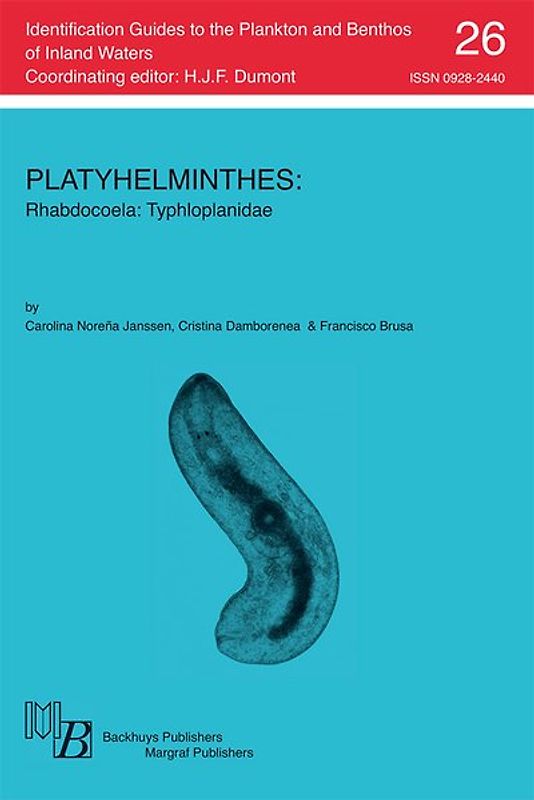
The Typhloplanidae are mainly small flatworms (size range 1-5 mm). Few bigger ones (e.g. Mesostoma ehrenbergii) may reach up to 1.5 cm in length. There are ±300 species living in a variety of aquatic habitats with a preference for freshwater or estuarine habitats. Few species are marine or terrestrial. They live on the bottom between sand grains, in the aquatic vegetation or they are pelagic. They… are predators on the microbiota (from protozoa to microcrustacea). They have received attention for being predators of mosquito larvae and planktonic crustaceans (Tranchida et al., 2009, Dumont et al., 2014 and references therein).
Typhloplanids have different strategies for capturing their prey; quite a few form traps and threads of mucus. Some species suspend on a mucus thread in the water while waiting to attack prey. Mesostoma lingua produces a poisonous neurotoxin enclosed in the mucus that causes the paralysis of prey. This temperature-dependent toxin is delivered through contact or diffusion (Case and Washino, 1979; Schwartz and Hebert, 1982; Dumont and Carels, 1987). The morphological and ecological diversity, as well as the high number of species and the great densities that they can develop in their habitat, make the study of this taxon valuable and necessary. Dieses Produkt haben wir gerade leider nicht auf Lager.
Handgeprüfte Gebrauchtware
Bis zu 50 % günstiger als neu
Der Umwelt zuliebe
Technische Daten
Erscheinungsdatum
27.04.2017
Sprache
Englisch
EAN
9783823617396
Herausgeber
Margraf
Serien- oder Bandtitel
Identification Guides to the Plankton and Benthos of Inland Waters
Sonderedition
Nein
Autor
H.J.F. Dumont
Seitenanzahl
274
Einbandart
Taschenbuch
Einbandart Details
Klebebindung
-.-
★★★★★
☆☆☆☆☆ Leider noch keine Bewertungen
Leider noch keine Bewertungen
Sicher bei rebuy kaufen

Schreib die erste Bewertung für dieses Produkt!
Wenn du eine Bewertung für dieses Produkt schreibst, hilfst du allen Kund:innen, die noch überlegen, ob sie das Produkt kaufen wollen. Vielen Dank, dass du mitmachst!
Sicher bei rebuy kaufen